Jump to ingredients · Jump to instructions
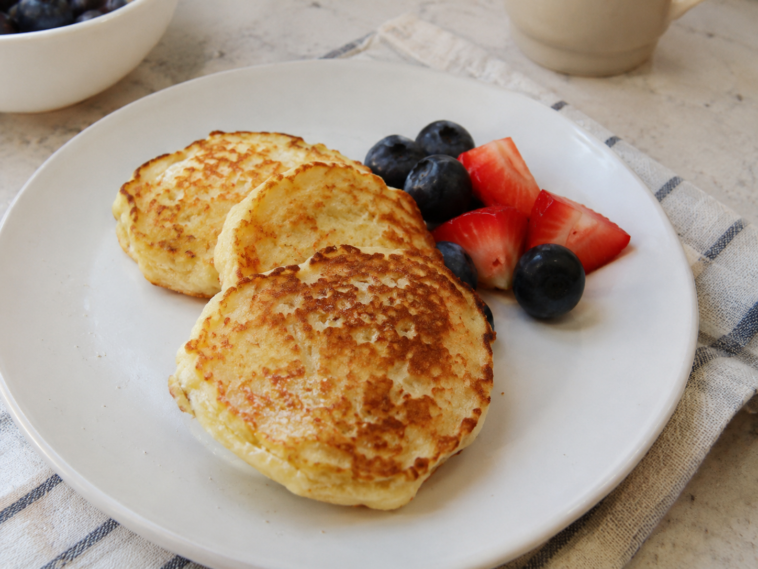
These high protein cottage cheese pancakes make a tender, small-portion breakfast with no added sugar. Blended cottage cheese and eggs create a moist texture while oat flour gives the pancakes enough structure to flip without making them heavy. You only need a blender, a nonstick skillet, and a few everyday ingredients. Cinnamon and vanilla give the batter a gentle sweetness without adding syrup.
The recipe may be suitable once your bariatric team approves soft pancakes, cooked eggs, dairy, and oat flour. Bariatric programs define food stages differently, so a recipe labeled “soft diet” is not automatically appropriate for every patient in Stage 3. Eat slowly, prioritize protein, and stop when comfortably full.
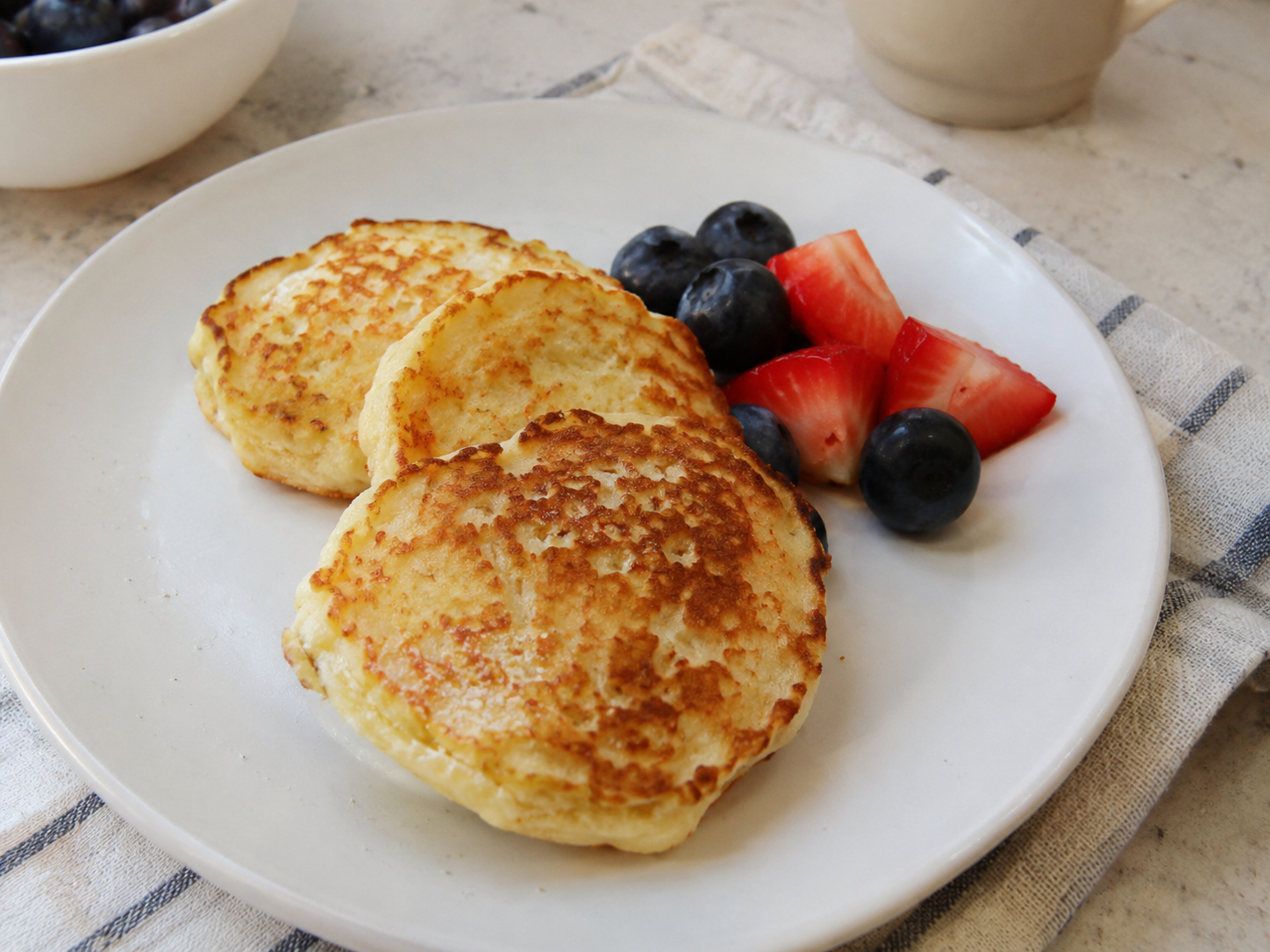
A short rest helps the oat flour absorb moisture, and medium-low heat lets the centers set before the outsides become too dark. Keep the pancakes small for easier turning, and use the photos below to follow the mixing and cooking stages. The recipe makes three portions, so you can prepare a small batch for breakfast and save the rest for another day.
Recipe at a Glance
- Prep time: 5 minutes
- Cook time: 10 minutes
- Total time: 15 minutes
- Yield: 3 servings; pancake count depends on the size of each scoop
- Recipe serving: one-third of the batch; choose your own portion according to your care plan
- Diet-stage note: serve only when the ingredients and texture fit your individual care plan
- Diet: Vegetarian, no added sugar, protein-focused
Why This Recipe Works
- Protein in a small serving: Eggs and low-fat cottage cheese provide approximately 14–15 grams of protein per one-third batch.
- Tender texture: Blending removes curds and produces a cohesive, soft pancake that is easier to cut into small bites.
- Less added sugar: The batter contains no syrup or added sweetener; choose low-sugar toppings according to your tolerance.
Ingredients and Equipment
Have a blender, a nonstick skillet, measuring cups and spoons, and a thin spatula ready. Cook in batches with space between the pancakes; total cooking time may increase with a smaller pan.
Ingredients
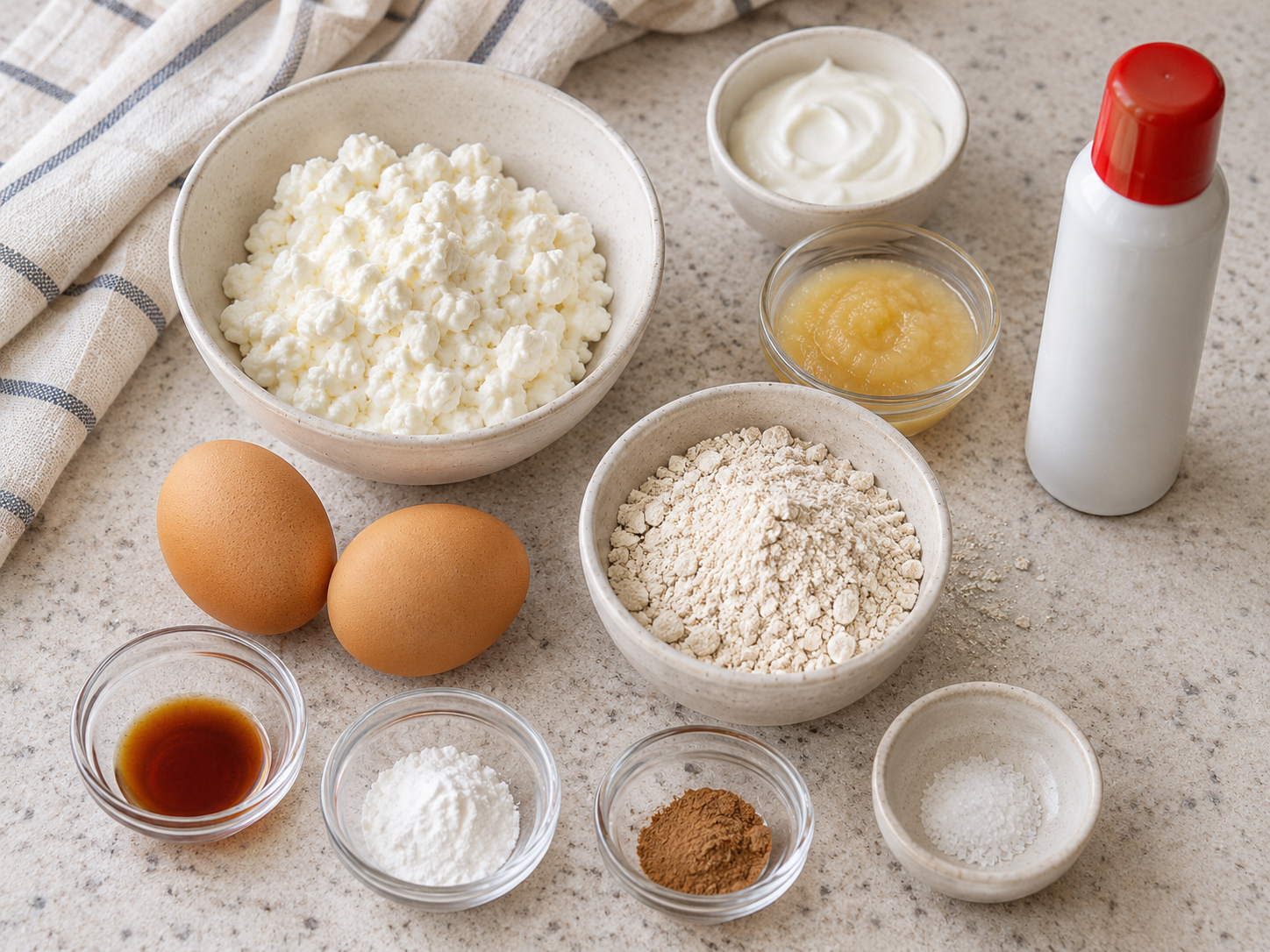
- 1 cup 1% low-fat cottage cheese
- 2 large eggs
- 1/4 cup oat flour
- 1/2 teaspoon baking powder
- 1/2 teaspoon ground cinnamon
- 1/2 teaspoon pure vanilla extract
- Small pinch of salt
- Nonstick cooking spray, as needed
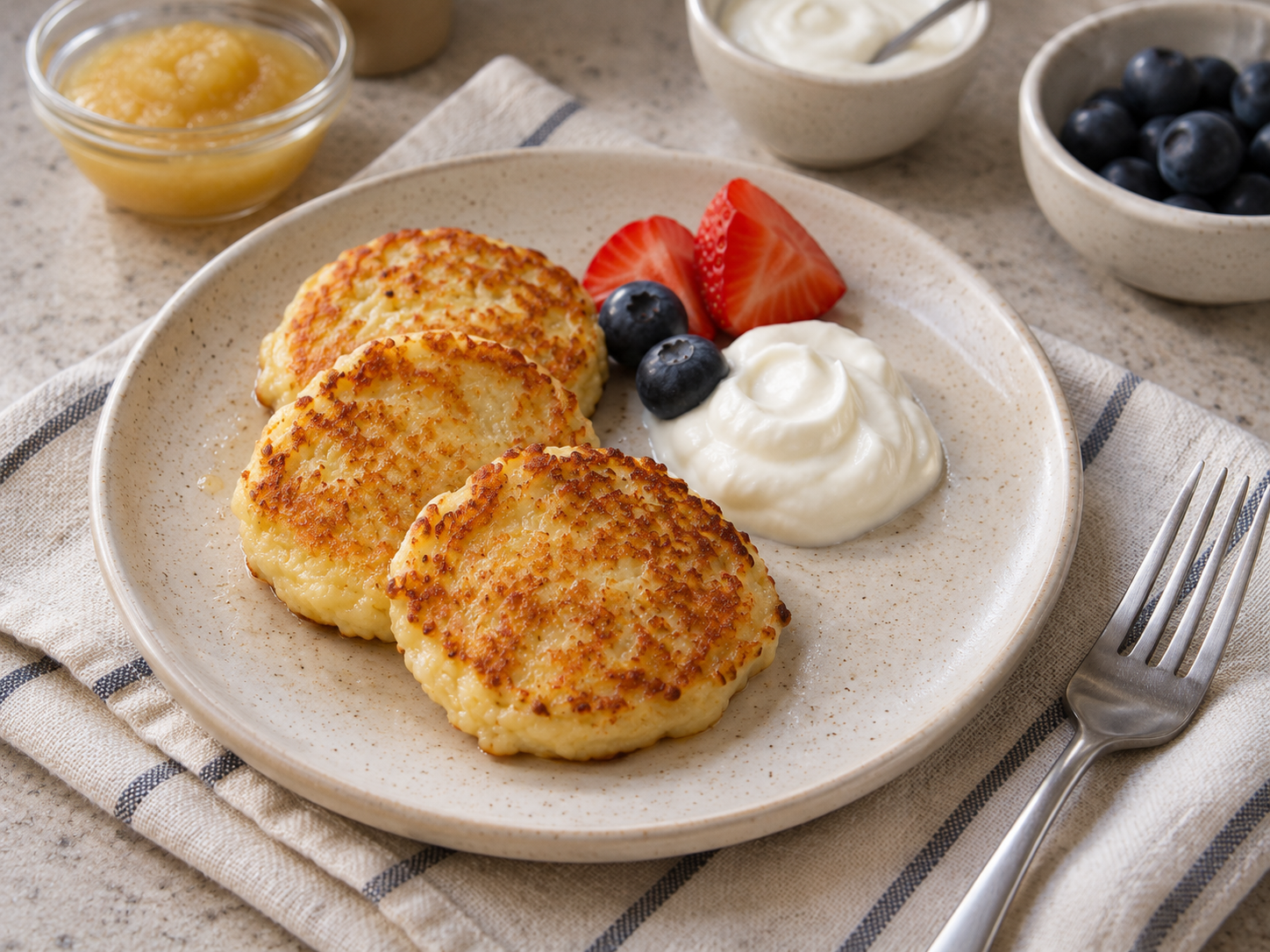
Optional, only if approved for your diet stage: 1 tablespoon plain nonfat Greek yogurt, or 1 tablespoon smooth unsweetened applesauce. Toppings are not included in the nutrition estimate.
How to Make Cottage Cheese Pancakes
Step 1: Blend the batter
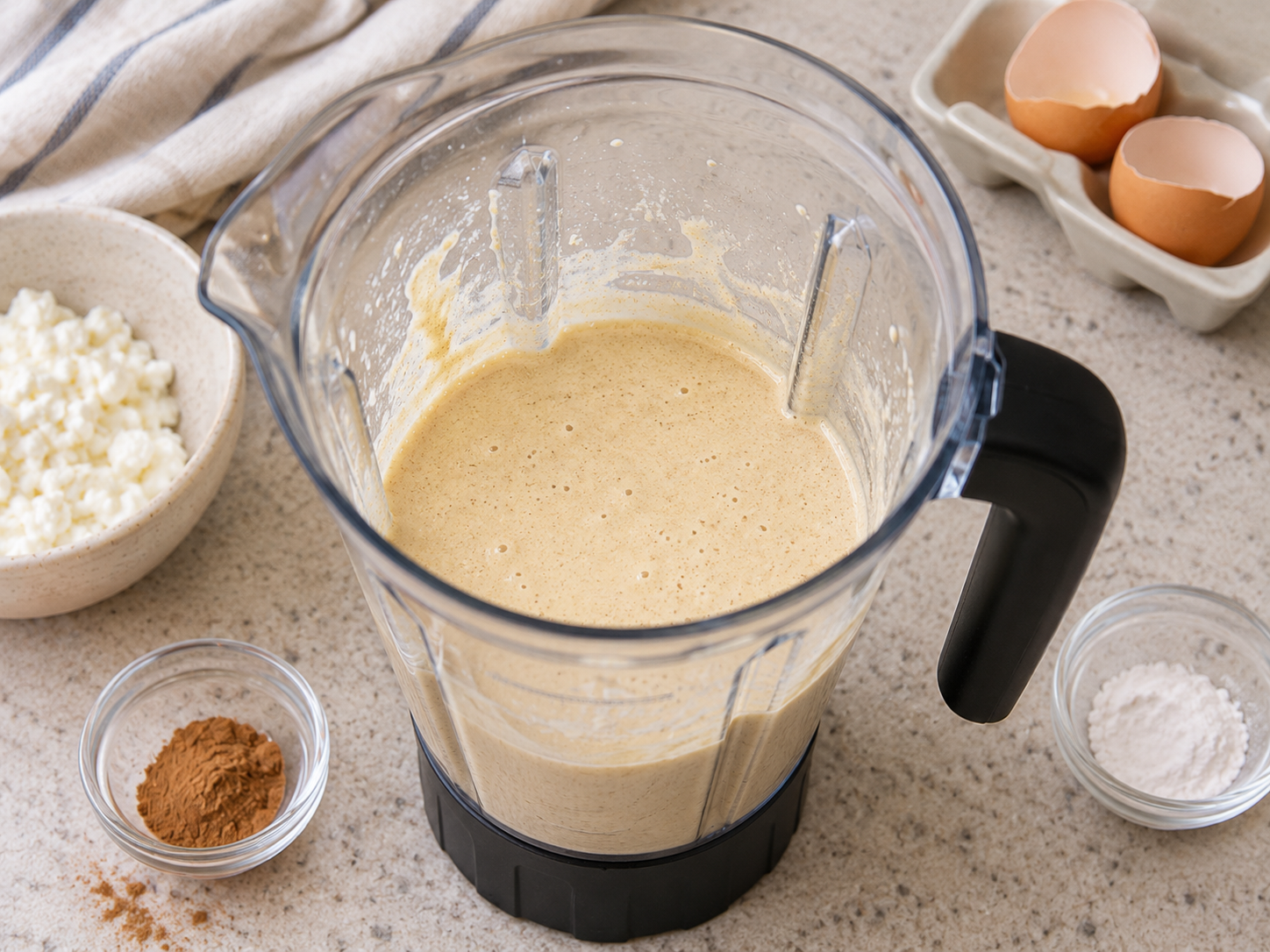
Add the cottage cheese, eggs, oat flour, baking powder, cinnamon, vanilla, and salt to a blender. Blend for 20–30 seconds, until smooth with no visible cheese curds. A smooth texture is preferable to a lumpy batter for a soft-food meal.
Step 2: Let it rest
Rest the batter for 2–3 minutes, allowing the oat flour to absorb some moisture. Stir gently before cooking if it separates.
Step 3: Heat the pan
Coat a nonstick skillet lightly with cooking spray and warm over medium-low heat. Avoid high heat, which can make the edges tough before the centers finish cooking.
Step 4: Cook small pancakes
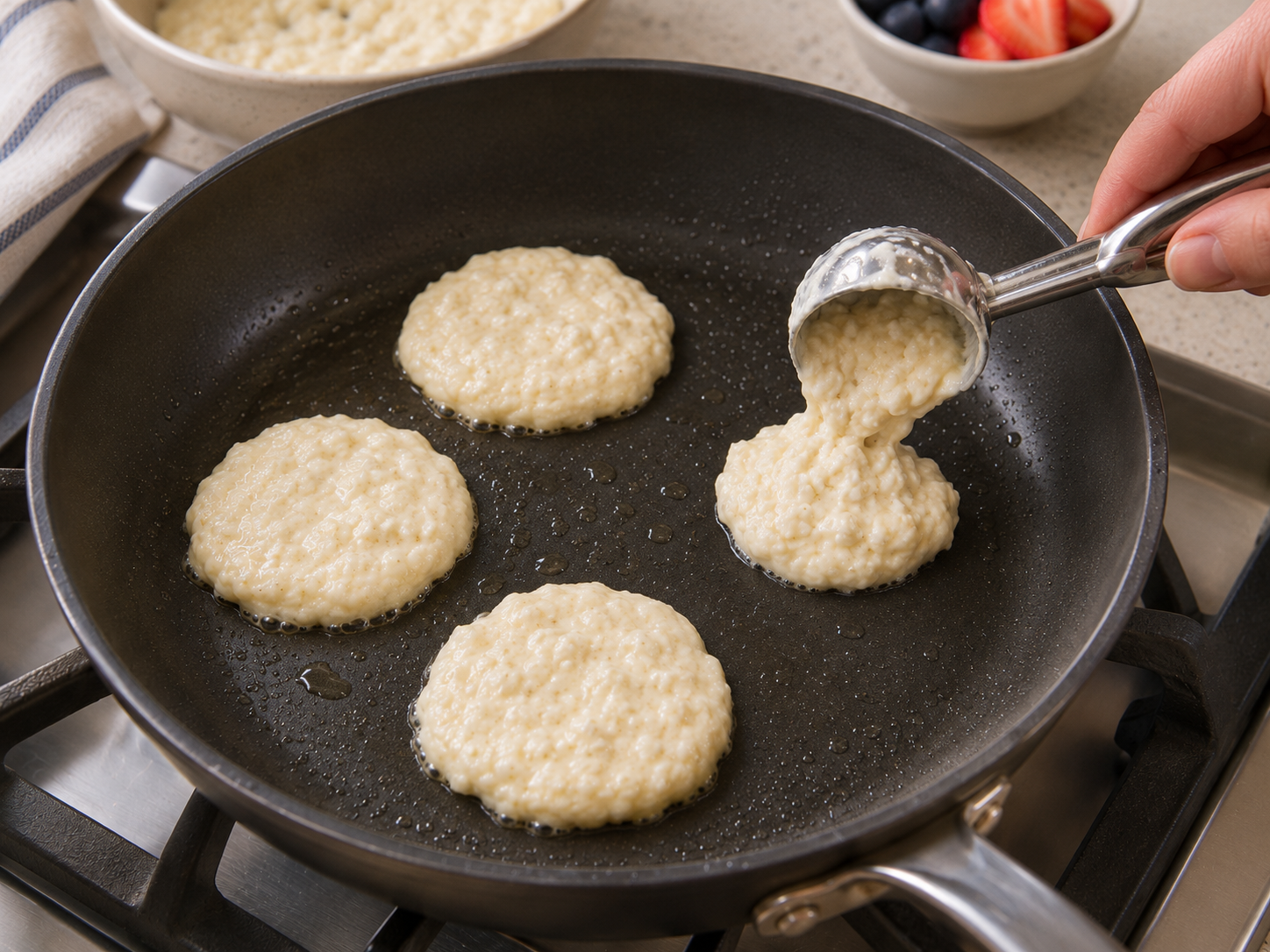
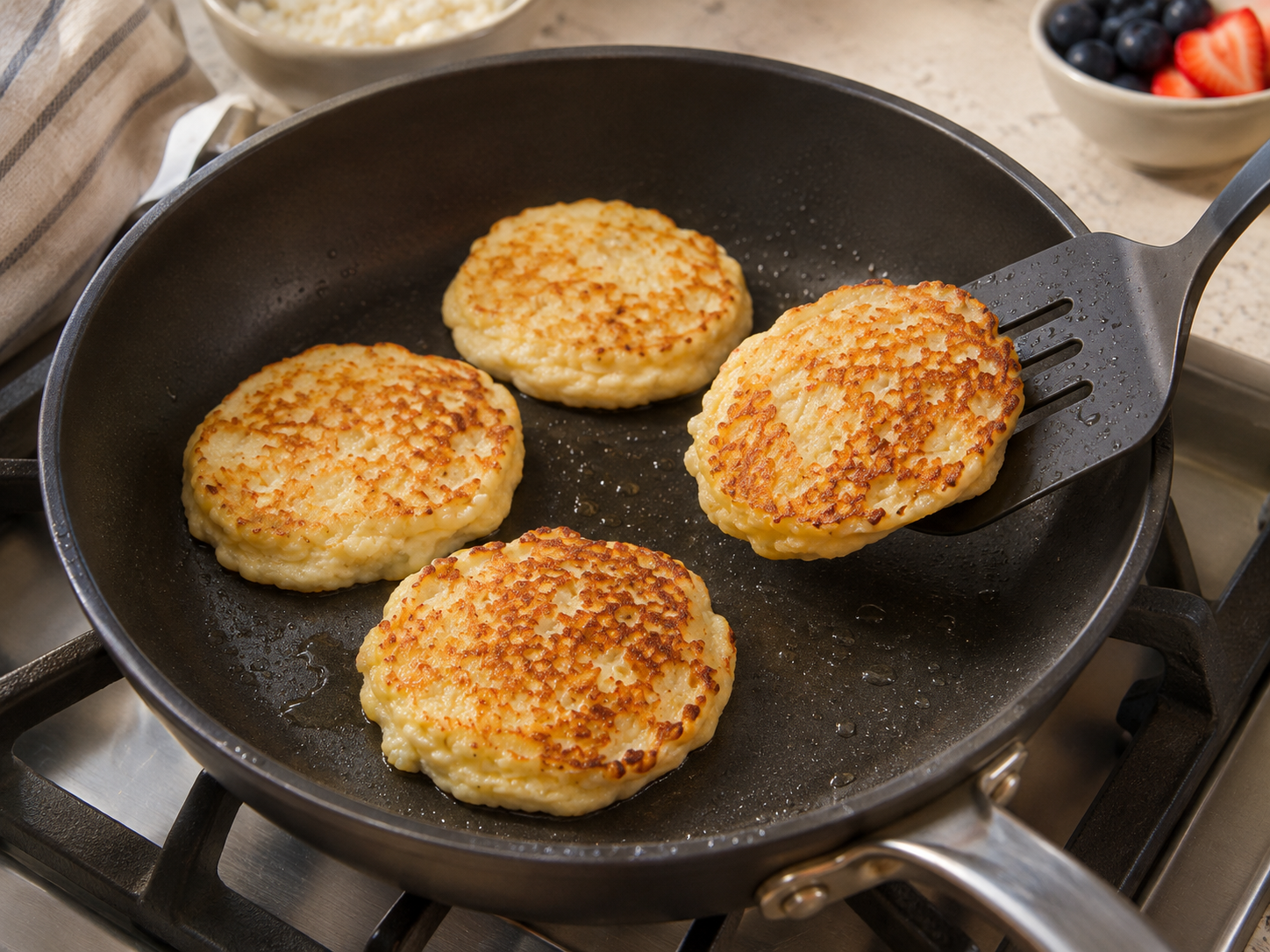
Pour roughly 2 tablespoons batter per pancake. Cook for 2–3 minutes on the first side until the edges set. Flip carefully and cook for 1–2 additional minutes until fully set, with no wet batter inside.
Step 5: Cool and serve
Cool until comfortably warm. Cut into tiny bites, chew thoroughly, and eat slowly. Do not force yourself to finish a portion if you feel full.
Estimated Nutrition Per Serving
One-third of the recipe, without toppings or cooking spray:
| Nutrient | Estimated Amount |
|---|---|
| Calories | 135–145 kcal |
| Protein | 14–15 g |
| Total fat | 4–5 g |
| Total carbohydrate | 9–11 g |
| Fiber | 1–2 g |
| Net carbs | 8–9 g |
| Sugars | 2–3 g |
| Sodium | Varies significantly by cottage cheese brand |
Values are approximate, not laboratory-tested, and depend on the brands and serving size. These are the original recipe estimates, not a verified nutrition analysis. For sodium and more precise values, calculate from your cottage cheese and other ingredient labels; added salt, cooking spray, and toppings also change the totals.
Bariatric Success Tips and Meal Prep
- Match your actual food stage. If your care team has not yet cleared oat flour or pancake-style foods, wait. Do not substitute this intact pancake for a pureed-stage meal.
- Prioritize comfort. Take very small bites, chew well, and avoid drinking with meals if that is part of your program’s instructions. Stop at the first sign of uncomfortable fullness.
- Store safely. Refrigerate cooked pancakes in an airtight container for up to 3 days, or freeze in separate portions. Reheat until hot throughout, then cool to a comfortable eating temperature; avoid drying out the pancakes.
Serving Suggestions
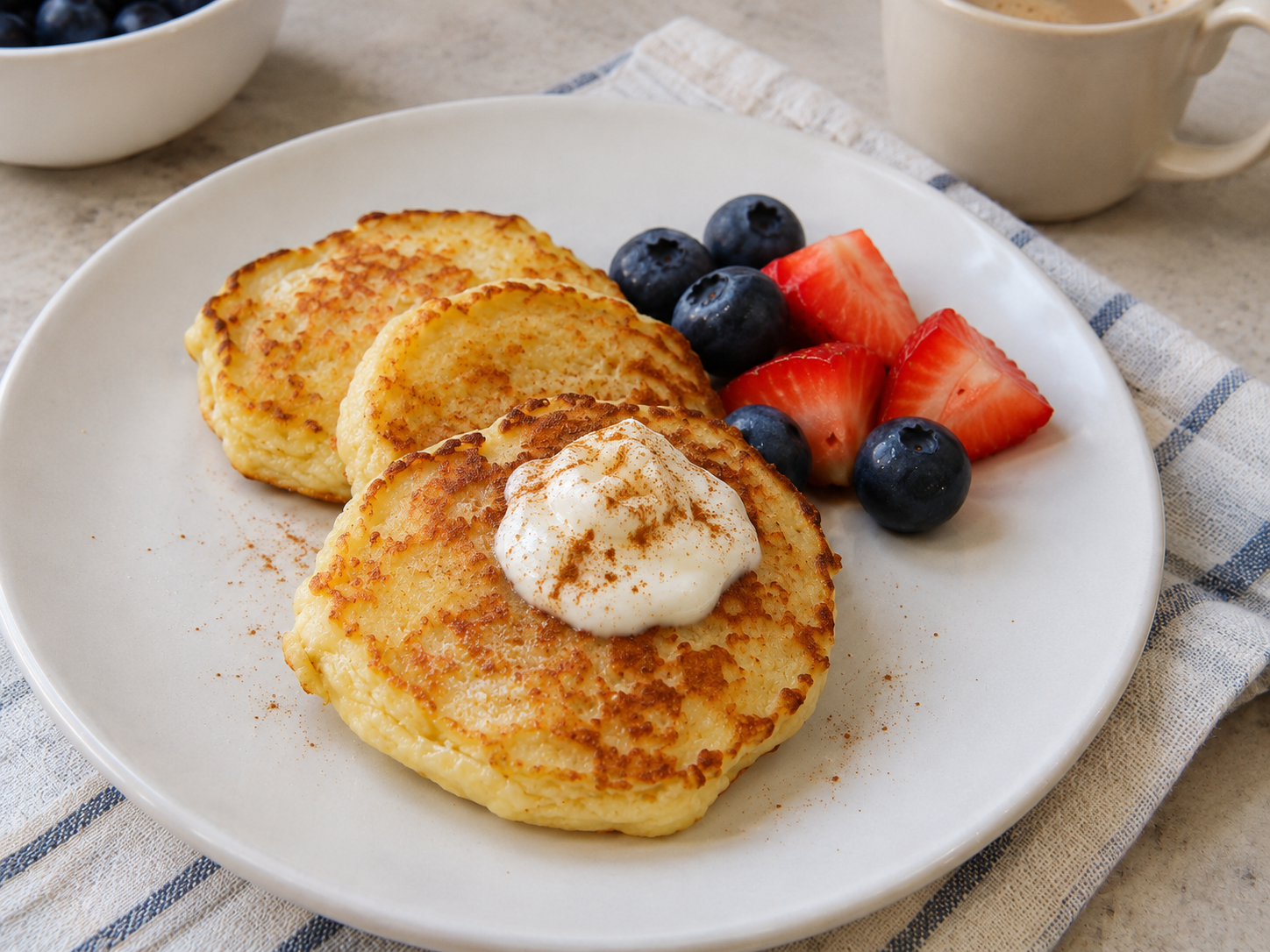
A teaspoon or tablespoon of plain nonfat Greek yogurt can add moisture without a sugary syrup. When your food stage allows fruit, a modest amount of mashed or finely cut soft fruit can work as a topping. During earlier stages, use only approved smooth toppings.
FAQ
Can I make these without a blender?
A blender gives the smoothest batter. If using a fork or whisk, mash the cottage cheese thoroughly first; the pancakes will have more texture.
Why are my pancakes falling apart?
Let the batter rest, keep the pancakes small, and wait until the edges are set before flipping. Slide a thin spatula completely underneath each pancake.
Can I use a different cottage cheese?
Yes, but moisture, salt, fat, and protein vary by brand. The recipe is written for 1% cottage cheese. A very watery brand can produce a looser batter, so avoid adding extra liquid.
Are these pancakes gluten-free?
Use certified gluten-free oat flour and check the remaining ingredient labels if you need to avoid gluten. Regular oat flour is not necessarily certified gluten-free.
Can I make a batch ahead?
Yes. Let the pancakes cool, then store them in separate portions as described above. Reheat gently so the centers warm through without drying out the edges.
Medical and Nutrition Note
This recipe is general food information, not an individualized postoperative eating plan. Bariatric stages, serving sizes, and protein targets vary by procedure, complications, and the patient’s clinical team. Follow the food-stage and portion guidance provided by your own bariatric team.
More Breakfast Inspiration
For another cottage-cheese-style breakfast idea, explore our cheesecake yogurt bowl and choose ingredients and portions that suit your plan.
Made these pancakes? Share your cooking tips or favorite topping in the comments.
